
Table of Contents
1. Rising Power Costs Illustrate India’s Intensifying Energy Demands
2. The Importance of Power Exchanges Beyond Electricity Transactions
3. The Increasing Importance of Exchange Infrastructure
4. Implications for the Unlisted Share Market
5. Private Market Infrastructure Firms
6. Exchange-Led Firms Under Market Surveillance
7. What is Expected in the Future
8. Summary
9. Inquiries
Rising Power Costs Illustrate India’s Intensifying Energy Demands
India’s power markets are almost literally on fire. The combination of a delayed and deficient monsoon and extended heat waves has raised electricity consumption in a significant way in the April to June quarter.
This has been manifested in the increase in exchange-traded power prices. The spot electricity prices in India’s largest power trading platform have been increasing year-on-year, and the volumes traded on the power exchanges have increased in a system where the demand is sustained and is not a seasonal occurrence.
This is not just about the combination of air conditioning and rainfall. This reflects the growth of an important financial piece of infrastructure in India, and increasingly requires the same level of scrutiny as equity or commodity markets.
This is also true for the analysts of the unlisted shares market in India; the connection between energy infrastructure and the exchange systems is becoming apparent.
Why Power Exchanges Matter Beyond Just Electricity Trading
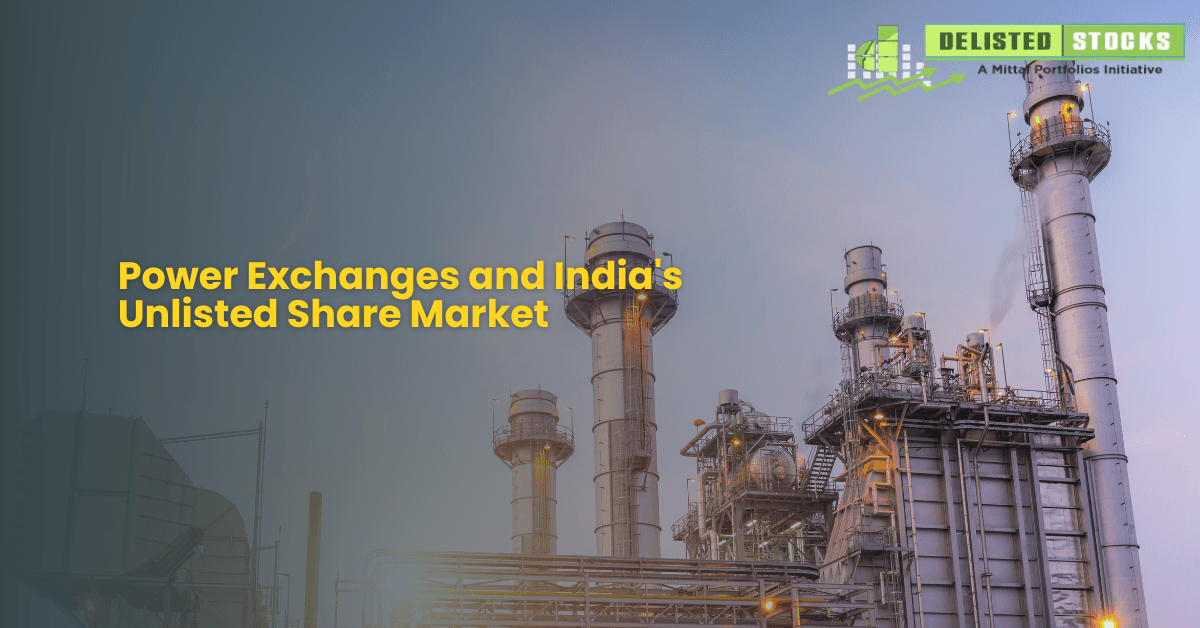
Although power exchanges primarily balance electricity supply and demand in real time, their services increasingly go beyond assisting demand and supply matching. With the rapid addition of renewables and the increasing need for balancing services from grid operators to account for solar and wind variability, power exchanges serve the balance of trading, grid, and congestion in India for daily balancing purposes.
The increasing demand for electricity in the summer months has resulted in an increase in trading during the day-ahead and real-time sessions. This has led to trading activities in power exchanges being increasingly viewed as a segment of the capital markets, as opposed to being purely operational utilities.
In line with this perception, many institutional investors have begun to participate in power exchanges, as investment in power exchanges attracts a growing number of market participants.
The Broader Perspective on Exchanges
The Indian exchange ecosystem can’t be summarized by a few comments on stock market indices. In addition to stock exchanges, there exists in India a multitude of exchanges for power, commodities, and other specialized trading segments. Each has its own infrastructure and economic significance.
For example, the NSE Unlisted Shares Segment shows ongoing interest in India’s largest stock exchange, and regional exchanges and commodity-focused exchanges have important and complementary roles.
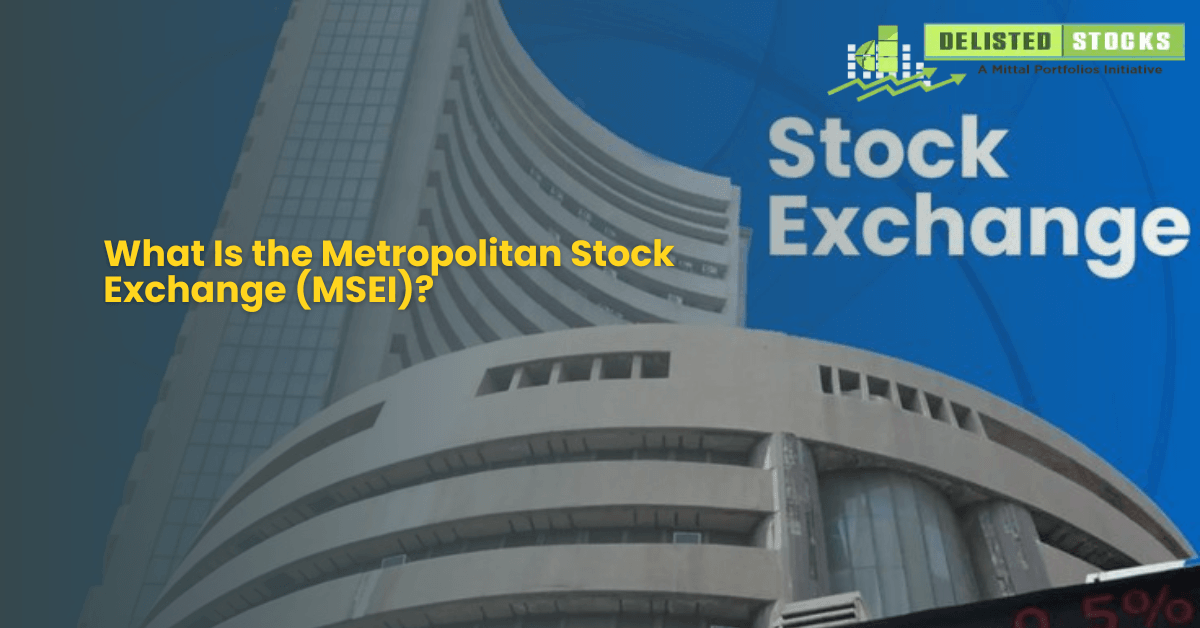
Examples such as the Metropolitan Stock Exchange (MSEI) and the NCDEX Unlisted Share segment demonstrate how exchange infrastructure interrelates across various asset classes, including equities, currencies, and agricultural commodities.
As the markets continue to develop, and trading volumes increase across their segments, these exchange-led businesses gain strategic importance well ahead of their potential public listing, as they significantly influence the flow of capital and commodities across the economy.
What This Means for the Unlisted Share Market
A trend identified by market participants is that a noticeable segment of India’s exchange ecosystem has its value represented in companies trading in the private markets rather than the public markets.
Approximately two-thirds of this exchange-related value resides in the unlisted segment, which has made this segment especially important for analysts focused on the financial market infrastructure in India and not on the listed markets.
The following information is market context and not an offer.
It describes how control of exchange infrastructure, be it power, equity, or commodities, is distributed within India’s private market, and will be in the future markets, if the controlled entities make the decision to list.
Infrastructure Businesses in the Private Market
Companies providing infrastructure have long-term value and are, therefore, attractive to the private market long before they are to the public markets. This is true for energy infrastructure and assets that are linked to the grid and those connected to renewables.
According to industry analysts, Onix Renewables Unlisted Share is a unique example of private market activity intersecting with opportunities to invest in renewable energy.
This is primarily due to the company’s focus on issues surrounding the stability of the electricity grid and the future demand for electricity power trading. These issues are similar to many businesses and services that have seen a rapid increase in demand, such as hospitality services or rapid e-commerce.
Infrastructure-based services also tend to be discussed in relation to private equity and pre-initial public offering investments. The OYO Unlisted Share and Zepto Unlisted Share are examples often used in this discussion, despite the fact that energy and electricity services are not related to the businesses of OYO and Zepto.
Exchange-Led Companies Under Market Watch
Aside from the traditional focus on infrastructure investments, exchange-connected and specialized manufacturing-focused services have begun to attract more sector-specific interest.
The Polymatech Unlisted Share is one example of a private market-related listing that observers from the manufacturing and technology sectors are watching, and indicates that the scope of private equity markets will encompass far more than the exchanges.
Investment demand for unlisted shares for companies trading on NSE, MSEI, and NCDEX reflects new momentum for the sectors that impact the infrastructure of India’s financial markets, and are the clearing and settlement systems.
What is Expected in the Future
High electricity demand is likely to make power exchanges the center of interest for operational and structural reasons. Investments in transmission infrastructure will be necessary for continued operations and functional exchanges, as will institutional and private market investments.
For those wanting a deeper look at how these elements play out across businesses, specific comparisons of India’s major unlisted shares may show how the various exchange-related and infrastructure businesses line up against each other.
Conclusion
At first glance, the increase in electricity prices this summer may be attributed to heat and rain delays straining the system. At a deeper level, the story focuses on the role of India’s central power exchanges and the related exchange infrastructure in the country’s financial system.
Activity in the power exchanges showcases the importance of infrastructure-driven sectors and the power exchange-related infrastructure as a means to understand the dynamics of India’s unlisted share market (without specific investment implications or forecasts).
FAQs
Why are electricity prices rising on Indian power exchanges?
Prices are going up because of a heat wave that created high demand and a delayed monsoon that resulted in higher electricity consumption and trading on the exchanges during the April–June period.
What role do power exchanges play in India’s financial?
Power exchanges enable real-time price discovery for the commodity being traded (electricity), while acting as a balancing mechanism for the stability of the grid and the requirements of transmission and reforming the various segments of the power sector.
How does rising electricity demand connect to the unlisted share market?
As the various exchange infrastructures (power, equity, and commodities) become more integral to the economy, the level of private market activity in relation to the exchange-connected companies becomes more significant to those observing the market.
What is the significance of NSE in India’s exchange ecosystem?
As the largest equity exchange in India, NSE’s ownership structure draws the attention of those analyzing the entirety of the capital market’s infrastructure in India.
How does MSEI fit into India’s exchange landscape?
As an alternative equity and currency trading platform, MSEI shows that India’s exchange ecosystem does not consist of a single dominant player.
Why is NCDEX relevant to discussions on exchange infrastructure?
As a derivatives exchange for agricultural commodities, NCDEX is important for a different segment of the trading infrastructure of India.
Do rising power prices directly affect unlisted share valuations?
Not directly, and not in a guaranteed way. Rising or falling electricity prices and trends are just a few of the numerous macroeconomic and sector-related factors market analysts consider, specifically when assessing private sector supply-side infrastructure businesses.
Disclaimer
This article is for informational purposes only and should not be considered investment advice. Prices and data of unlisted shares are based on publicly available sources and may vary. Investors are advised to conduct independent research or consult financial professionals before making investment decisions.